
Affective Computing Group
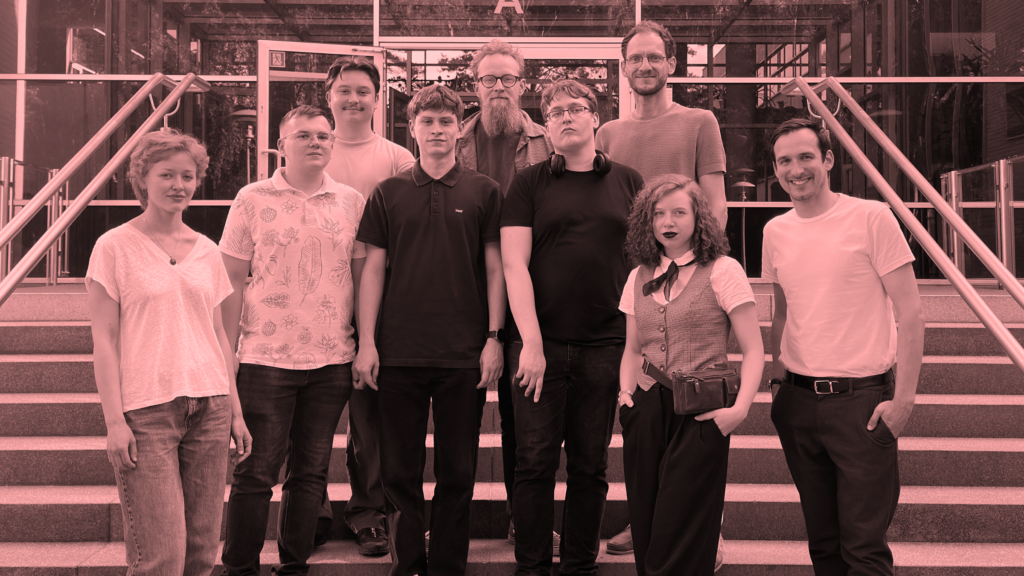
The Affective Computing Group was established by the Cognitive Neuroscience Center and the Center for Artificial Intelligence. Our Team studies human emotions using modern technologies. We want emotion research to help create better and more responsible technologies, while at the same time using technology to help us better study emotions. We use AI tools, data analysis, and knowledge from affective science to better understand human emotions.
Selected publications:
Behnke, M., Kłoskowski, M., Klichowski, M., Krzyżaniak, W. L., Szymański, K., Maciejewski, P. A., … & Coles, N. A. (2026). Using Artificial Intelligence to Generate Affective Images: Methodology and Initial Library. Advances in Methods and Practices in Psychological Science, 9(1). https://doi.org/10.1177/25152459251415336
Nowicki, F., Marciniak, H., Łączkowski, J., Jassem, K., Górecki, T., Balakrishnan, V., Ong, D. C., & Behnke, M. (2026). Visual Affect Analysis: Predicting Emotions of Image Viewers with Vision-Language Models. arXiv. https://doi.org/10.48550/arXiv.2602.00123
Coles, N. A., Perz, B., Behnke, M., Eichstaedt, J. C., Kim, S. H., Vu, T. N., … & Saganowski, S. (2025). Big team science reveals promises and limitations of machine learning efforts to model physiological markers of affective experience. Royal Society Open Science, 12(6), Article 241778. https://doi.org/10.1098/rsos.241778
Behnke, M., Krzyżaniak, W., Nowak, J., Kupiński, S., Chwiłkowska, P., Jęśko Białek, S., … & Gross, J. J. (2025). The competitive esports physiological, affective, and video dataset. Scientific Data, 12(1), Article 56. https://doi.org/10.1038/s41597-024-04364-z
Behnke, M., Saganowski, S., Kaczmarek, Ł. D., & Kazienko, P. (2023, March). Emotions studied by computer scientists and psychologists—a complementary perspective. In 2023 IEEE international conference on pervasive computing and communications workshops and other affiliated events (PerCom Workshops) (pp. 206-211). IEEE. https://doi.org/10.1109/PerComWorkshops56833.2023.10150393
Team
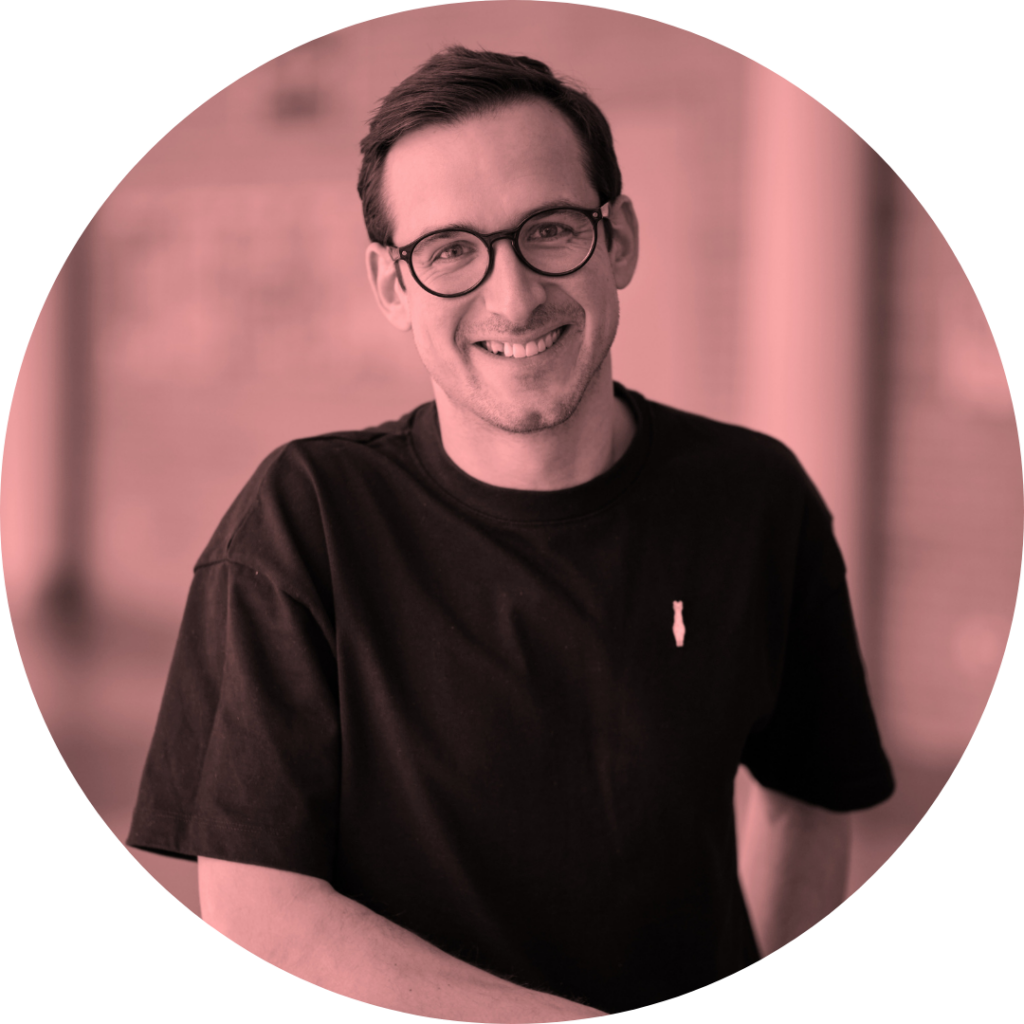
Maciej Behnke
Head of the group. His background spans psychology, sport science, and nearly computer science as well. He develops AI- and data-driven research methods in affective science. He is a recipient of scholarships from the Polish Ministry of Science and Higher Education and the Foundation for Polish Science, as well as grants including PRELUDIUM 13, ETIUDA 7, and OPUS 20. He has completed research stays at Stanford University, University College London, and the University of Chieti-Pescara. He also serves on the scientific board of the Center for Cognitive Neuroscience. Outside academia, he is a former athlete and dancer who enjoys traveling and discovering new flavors.
photo: Władysław Gardasz

Filip Nowicki
An early-stage PhD student with a background in computer science. His research interests include generative AI, diffusion models, vision-language models, and explainable AI methods for the analysis and generation of visual stimuli. His work focuses on multimodal AI applications in emotion research. He is a laureate of IDUB UAM competitions 134 and 203, and a co-creator of the R&D project Future Designer (PP-RAI 2025, ECML-PKDD 2025). Outside research, he tries to make time for half-marathon training, with moderate success, and for travel.
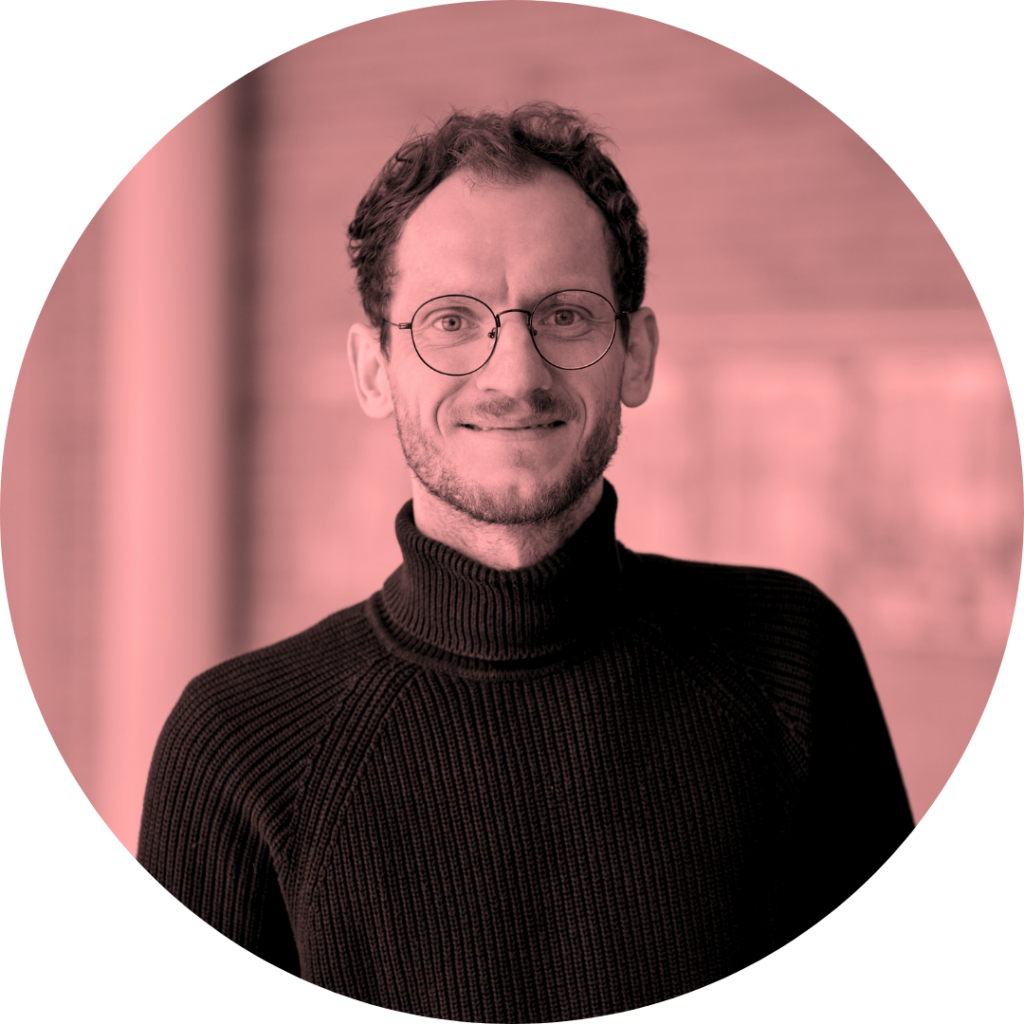
Michał Klichowski
Professor of social sciences, Rector’s Proxy for Open Science, Director of the Cognitive Neuroscience Center, and Head of the Learning Process Research Unit at Adam Mickiewicz University in Poznań. He is the author of more than 100 scholarly publications, including books, articles, and chapters. His research focuses on cognitive neuroscience and experimental pedagogy. He has received numerous awards, including the Scientific Award of the Polish Academy of Sciences and a scholarship from the Ministry of Science and Higher Education for outstanding young scientists. His most recent book was recognized by the ACADEMIA competition jury as the best academic publication in the social sciences and humanities in 2025.
photo: Władysław Gardasz

Lilianna Dera
A graduate in cognitive science and currently an MA student in Interactive Media and Spectacles. Her interests include affective psychological study design, animal behavior, and generative AI models. She is a laureate of the Study&Research IDUB 201 competition. Outside the university, she enjoys mountain climbing, board games, RPGs, and playing the guitar, piano, and cello.

Jakub Łączkowski
A third-year computer science student at Adam Mickiewicz University. His research interests center on generative AI, especially in relation to affective evaluation. He is a two-time laureate of IDUB UAM competitions 154 and 201. In his free time, he enjoys speedcubing and sports match analysis using machine learning.

Patryk Maciejewski
A graduate in cognitive science and currently an MA student in Data Analysis and Processing. He is interested in the intersection of language, data, and thought, especially in the possibilities that large language models create for qualitative data analysis. He is supported by an NCN grant, The Impact of War on Social Movements in Europe (2023/51/D/HS6/01835), and is also conducting his own research project within the Study&Research IDUB 212 program. He is still actively searching for his place in academia and perhaps that is exactly what he does best. In his free time, he explores the world by bicycle.
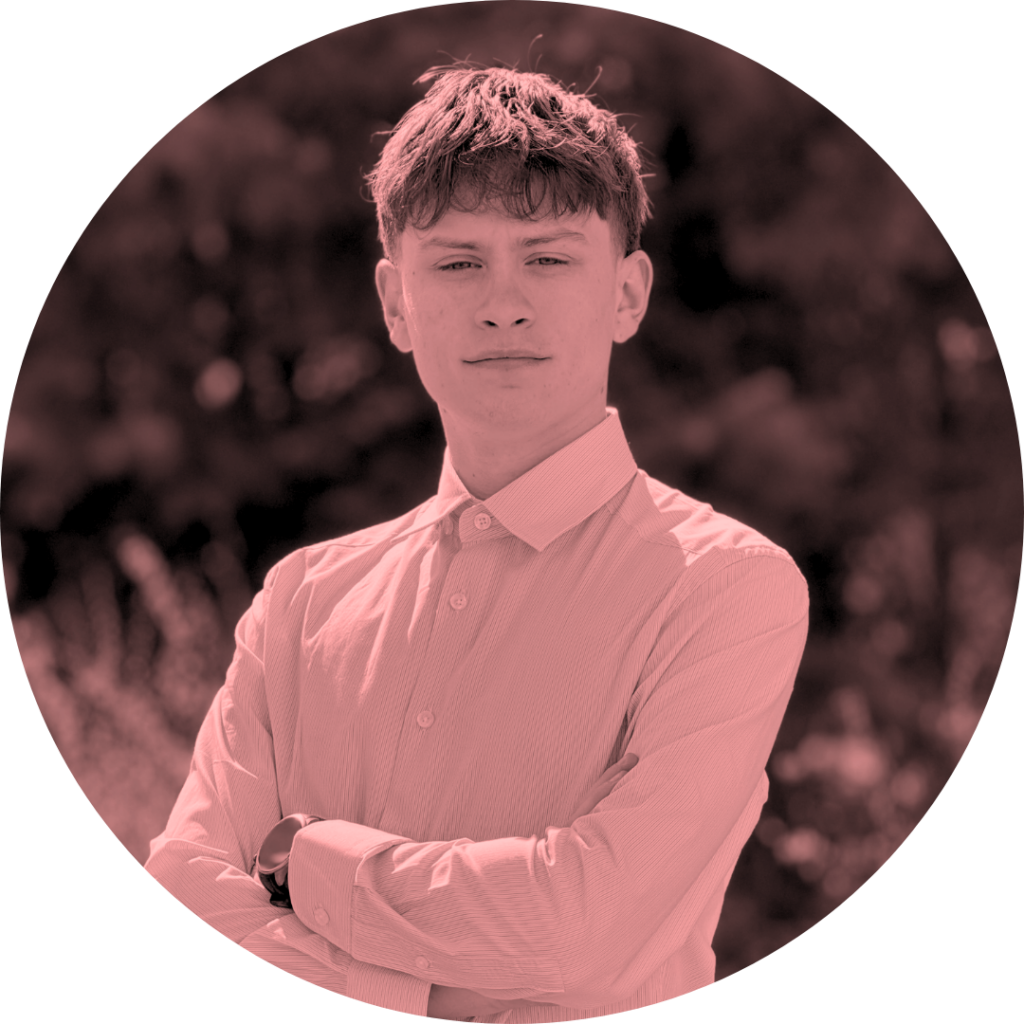
Hubert Marciniak
A third-year computer science student at Adam Mickiewicz University. His interests include generative AI models, their evaluation, and affective analysis. He contributes to research projects on emotion analysis using language models and on comparative evaluation of AI systems. He is a two-time laureate of IDUB UAM competitions 154 and 201. In his free time, he enjoys tennis, travel, and hiking in the mountains.

Nela Warzecha
A student of cognitive science and psychology. She is interested in the role of theoretical constructs in science and their impact on psychotherapeutic practice. She is especially curious about therapeutic approaches that combine top-down and bottom-up methods. She is a laureate of the IDUB UAM 201 competition. In her free time, she enjoys climbing, cycling, mountain trips, literature, and cinema.

Bartosz Wilczek
A third-year computer science student at Adam Mickiewicz University. His interests focus on automating the use of generative AI models and on how AI-generated content may shape human attitudes over time. He is a two-time laureate of IDUB UAM competitions 154 and 201. Outside research, he produces music at the intersection of electronic, phonk, and metal, and enjoys cycling around Poznań and the surrounding area.
Collaborators
Przemysław Kazienko, Stanisław Saganowski, Dominika Kunc, Bartosz Perz, Joanna Komoszyńska (Emognition, Wrocław University of Science and Technology), James Gross (Stanford University), Nicholas Coles (University of Florida), Daniel Lakens (Eindhoven University of Technology), Desmond Ong (University of Texas at Austin), Jeremy Jamieson (University of Rochester), Szymon Kupiński, Jan Nowak (PsychoSensig, PCSS), Marta Kowal (University of Wrocław), Filip Jończyk (Adam Mickiewicz University).